PRACTICE ⇌ RESEARCH
ABOUT
COLLECTIVE Collaboratory is the academic & research arm of COLLECTIVE Studio directed by Betty Ng, Chi Yan Chan and Juan Minguez.
Betty, Chi Yan and Juan are currently Adjunct Associate Professors at Chinese University of Hong Kong (CUHK), co-teaching a Master of Architectural Design Studio since 2021. COLLECTIVE Lab mobilizes COLLECTIVE Studio as a practice, relaying COLLECTIVE Studio’s design methodology on research informing design and design informing research in academia. We engage ourselves with institutions internationally as visiting professors, collaboration includes The Royal Melbourne Institute of Technology (RMIT) and The National University of Singapore (NUS).
Prior to COLLECTIVE Collaboratory, Betty taught at University of Hong Kong (HKU) as Assistant Professor between 2014 - 2016, at Chinese University of Hong Kong (CUHK) as Adjunct Assistant Professor between 2016 - 2020, at National University of Singapore (NUS) as Visiting Professor between 2020 - 2021. Chi Yan taught at Chinese University of Hong Kong (CUHK) as Adjunct Assistant Professor between 2019 - 2021.
DESIGN RESEARCH

Collage - Aerial photo from arcgis.com
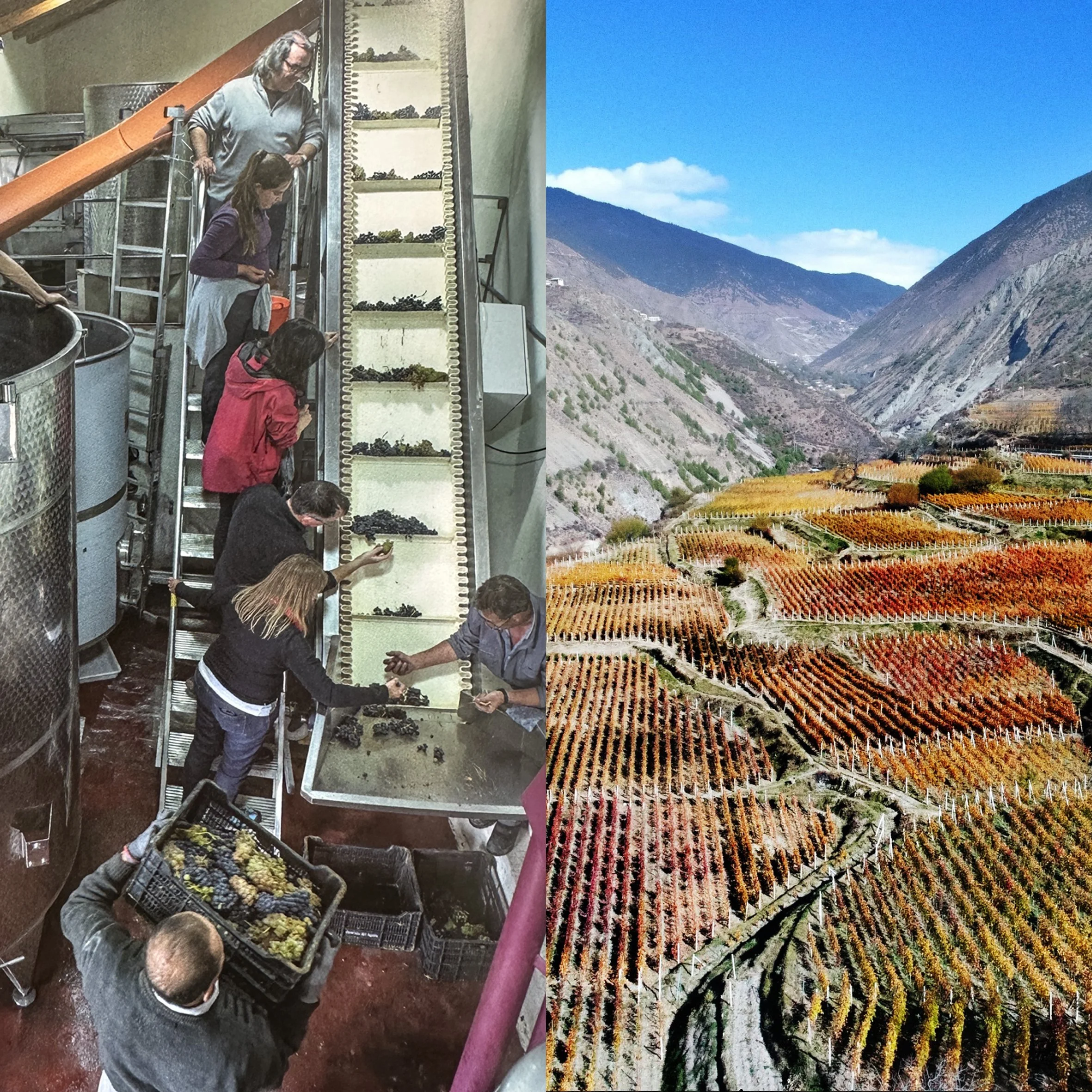
Collage - Dominio del Águila, La Aguilera, Burgos, Spain_Photo by Estanis/ Ao Yun winery, Yunnan, China_Photo by Tomohide Yamaguchi
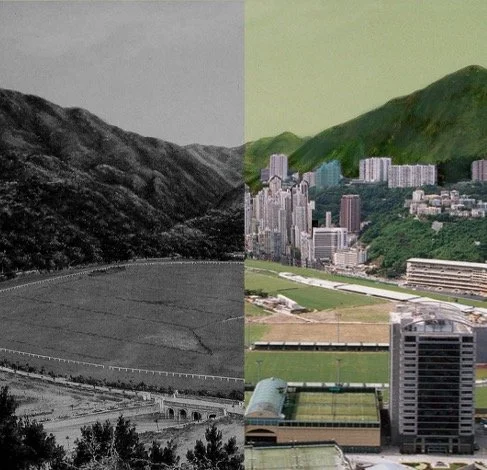
Collage - Excerpt of Happy Valley Racecourse 1840s_By Chinese school - Nigel Cameron (1991). An Illustrated History of Hong Kong.
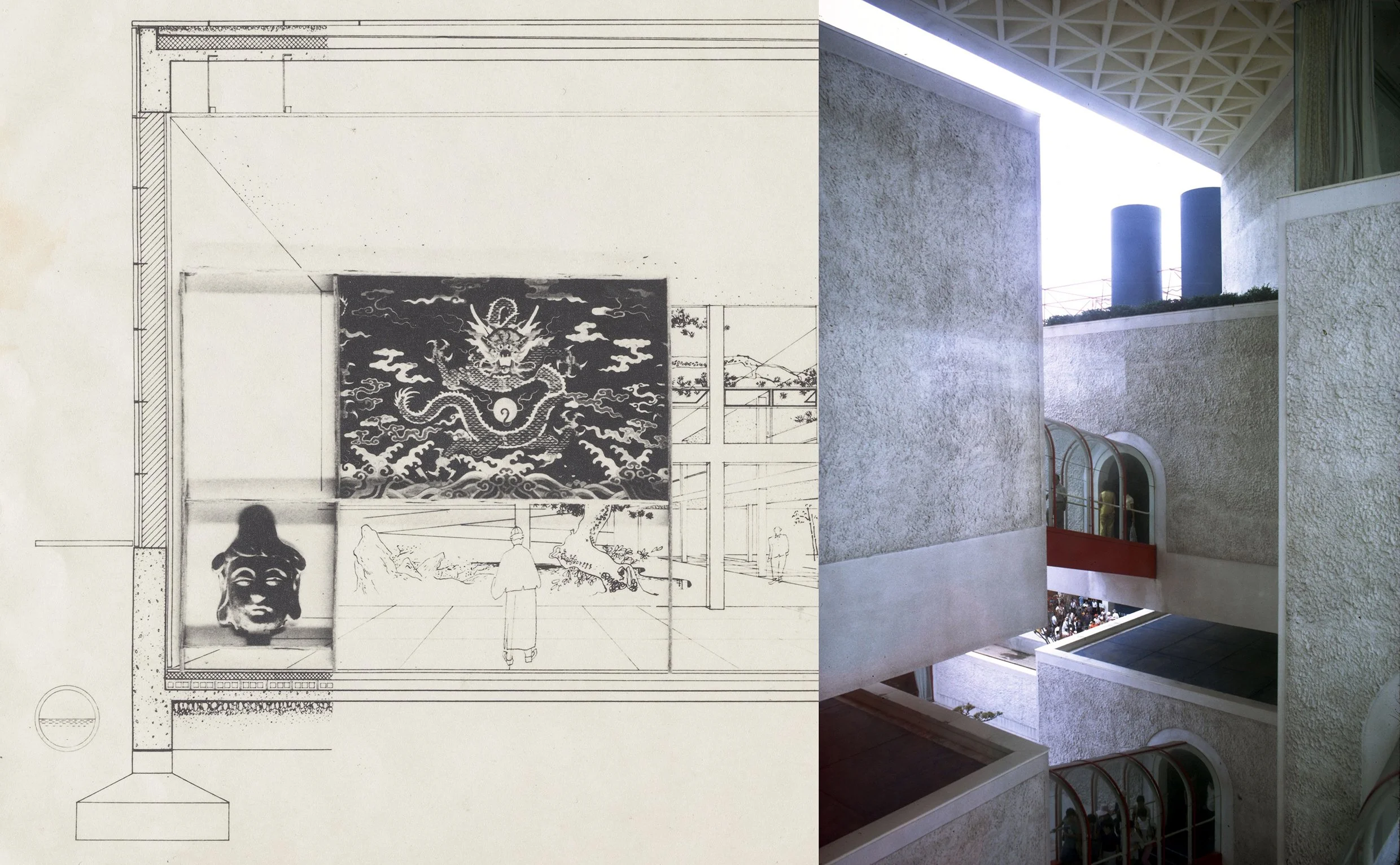
Collage - Excerpt of sectional perspective of the Museum of Chinese Art for Shanghai, 1946 + Photo of Connecting Bridge of the Taiwan Expo ’70 Pavilion, 1969-1970 (Image Courtesy of M+ Museum)
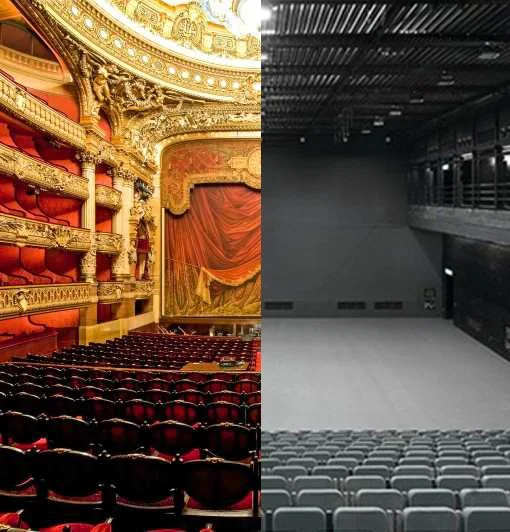
Collage - Palais Garnier, Paris / Freespace Black Box Theatre, Hong Kong
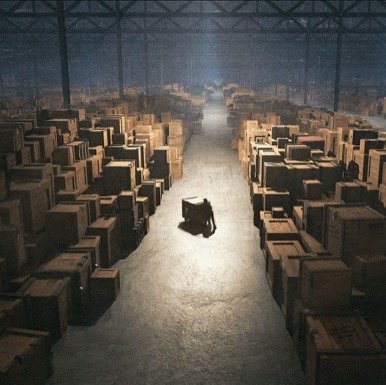
Film “Raiders of The Lost Ark's” Warehouse Scene, Indian Jones: “This should be in a museum!”
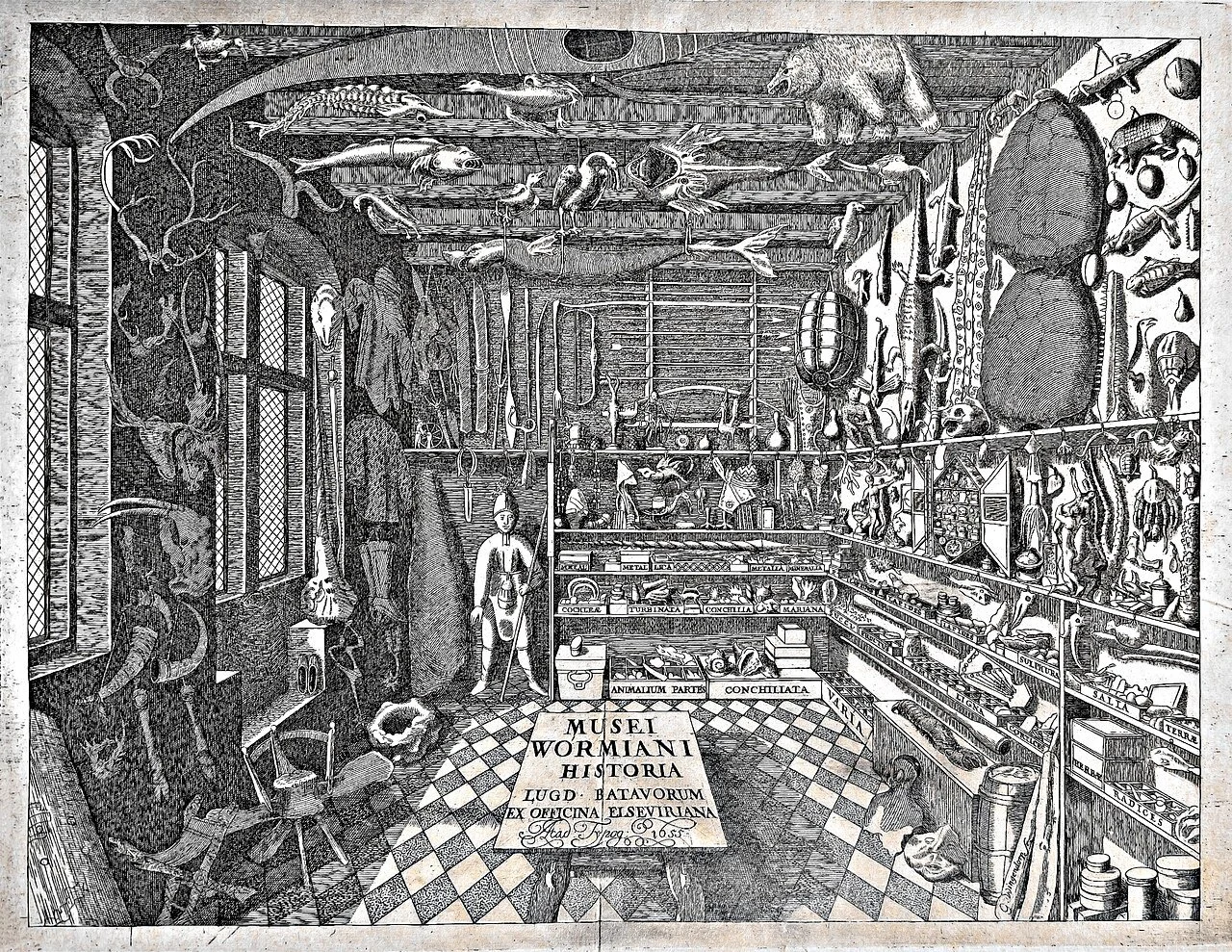
"Musei Wormiani Historia," the frontispiece from the Museum Wormianum depicting Wormius' cabinet of curiosities, 1655
“PRODUCTIVE (AGRI)CULTURE”
2026-2027, Chinese University of Hong Kong
The one-year Architectural Design Studio ”Productive (Agri)Culture” continues to conduct research on the viticulture regions along the Three Parallel Rivers, a 300-kilometre long UNESCO World Heritage Site, overlooking the Lancang River leading to the Mekong River in Vietnam. The studio investigates cultures, ecosystems, economies and parameters of winemaking in Cizhong Village, Yanmen Township, Deqin County, Diqing Tibetan Autonomous Prefecture, Yunnan Province, focusing on micro wineries in the area not having ample resources to establish larger-scale wineries due to the limitation of geography, agriculture, capital, infrastructure and recently established government regulations. The foundation architecture program of the studio is a communal winery, and students are free to develop their architecture design as a congregation -a building that actively choreographs the limitations and entanglement of cultures, ecosystems, economies, and regulations in the context of agriculture.
“FERMENTING TERRITORIES”
2025-2026, Chinese University of Hong Kong
“Fermenting Territories” at The Chinese University of Hong Kong brought 11 students to the high altitude region of Shangri-La, Yunnan, China between 2000 meters to 3400 meters above sea-level, conducted research on viticulture practices with wine makers and local ethnic minorities farmers. Architecture is treated as devices where the diplomacy of production—from soil microbes to tourism—must be spatially negotiated in a community. The viticulture village is understood as a living matrix of relations, extending beyond the built environment to encompass technology, artificial intelligence, climate systems, and cultural production. Two Villages - Cizhong Village which has a lack of quality vineyards yet highly connected and accessible at 2,000 m above sea-lelve located directly adjacent to the Lancang River, and Jiangpo Village which has very high quality viticulture produce but located 2,700 m above sea level and only connected by a 3 meter road uphill, were the sites for interventions. 5 students create a commune of 5 different programs in each village to address the specific needs for each village to function and to facilitate the raising demand for wine making in the region.
“FORMS OF CULTURE - SHENZHEN & HONG KONG”
February 2026, Royal Melbourne Institute of Technology
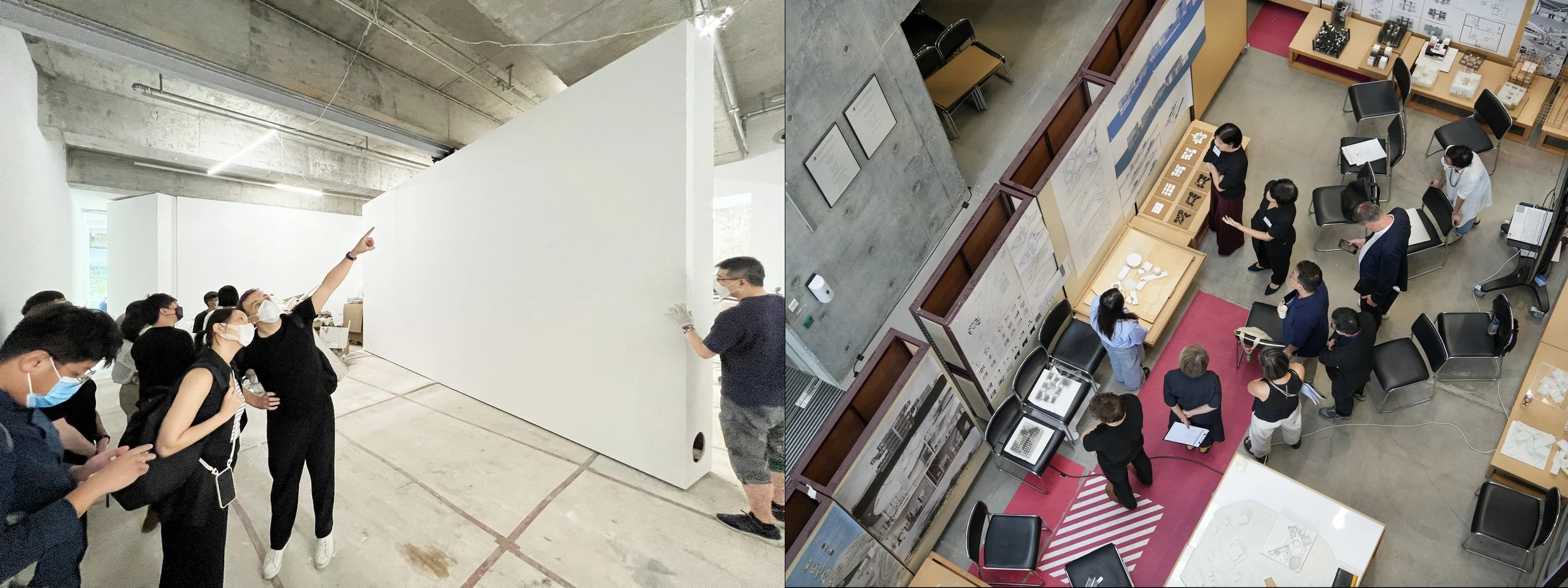
COLLECTIVE Laboratory collaborated with Vicky Lam, Associate Lecturer and Caitlyn Parry, Lecturer at Royal Melbourne Institute of Technology (RMIT), co-teaching “Forms of Culture Traveling Studio”, a one-month study tour in Hong Kong and Shenzhen, supported by the New Colombo Mobility Plan investigating art and cultural precincts during times of economic and cultural change.
“VESSEL OF SPECTACLE”
2024-2025, Chinese University of Hong Kong
COLLECTIVE Laboratory runs the Architectural Design Studio “Vessel of Spectacle” at The Chinese University of Hong Kong. The studio focuses on one of the most historic forms of performance —horse racing—and its spectacular Hong Kong Island setting—the Happy Valley Racecourse, with its continuous legacy as a physical space of spectacle in the city of Hong Kong. The racecourse’s continued presence throughout the 100 year of the city’s history has allowed it to evolve into a fascinating programmatic agglomeration of landscape, architecture and infrastructure. The studio considers how an urban space of spectacle becomes an enduring part of the city, and ask—how can it continue to offer the city and its inhabitants possibilities beyond that which it was originally intended.
“FORMS OF CULTURE - HONG KONG”
September 2024, Royal Melbourne Institute of Technology
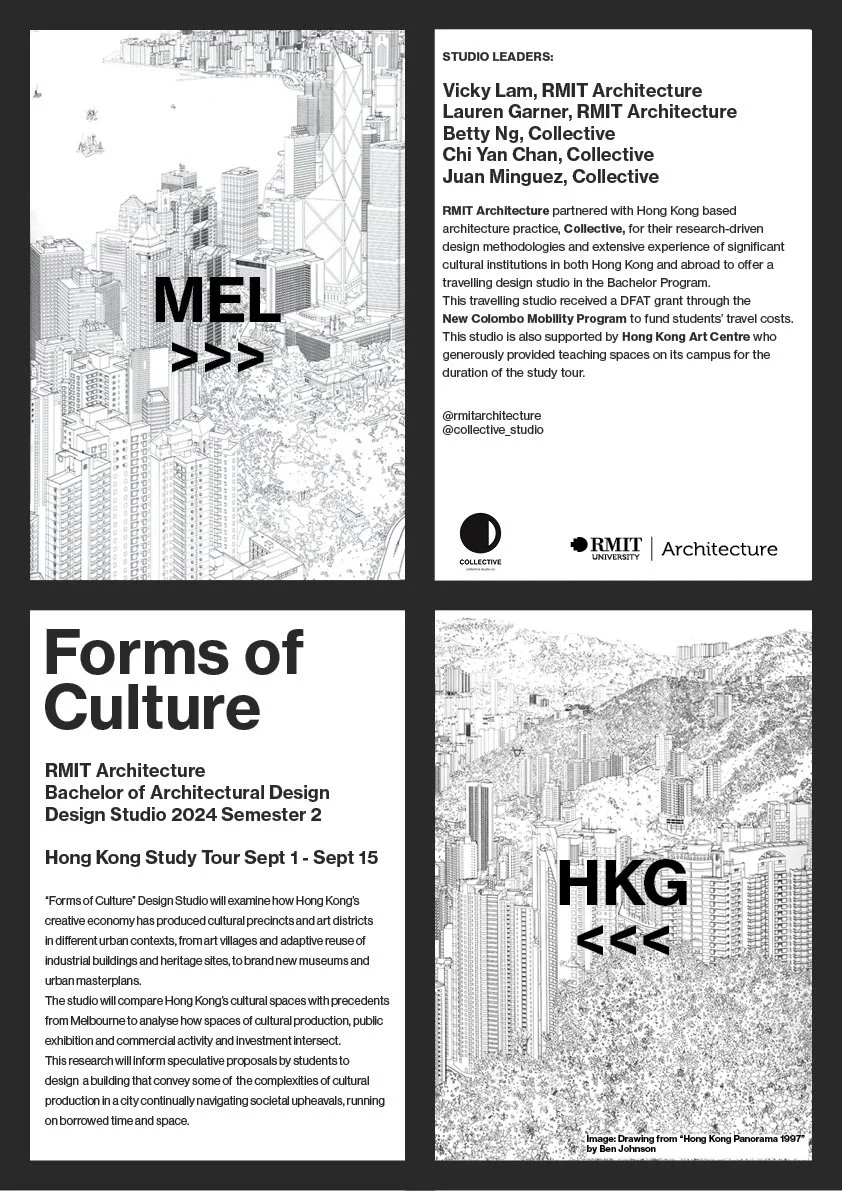
COLLECTIVE Laboratory collaborated with Vicky Lam, Associate Lecturer and Lauren Garner, Lecturer at Royal Melbourne Institute of Technology (RMIT), co-teaching “Forms of Culture Traveling Studio”, a one-month study tour examining how Hong Kong’s creative economy has produced cultural precincts and art districts in different urban contexts, from art villages and adaptive reuse of industrial buildings and heritage sites, to brand new museums and urban masterplans. This travelling studio is supported by an Australian Government DFAT grant through the New Colombo Mobility Programto fund students’ travel costs.
“ON CHARACTER”
2023-2024, Chinese University of Hong Kong
COLLECTIVE Laboratory runs the Architectural Design Studio “On Character” at The Chinese University of Hong Kong, in collaboration with M+ Museum in Hong Kong for the exhibition “IM Pei: Life Is Architecture”. In collaboration with M+ Museum, the studio participated in the exhibition through an in-depth study on two of Pei’s works: 1) Museum of Chinese Art for Shanghai, 1946 (Pei’s Graduation Thesis at The Graduate School of Design, Harvard University) and 2) Taiwan Expo ’70 Pavilion, 1969-1970, at Osaka, Japan, in the context of “Art and Civic Form” and “Reinterpreting Cultural and Historical Archetypes” respectively. Students then interpreted these two buildings into scaled models which were shown at the exhibition. With the historicized and contemporary lens reappraising Pei’s work, the studio brought relevance to the current generation of Arts and Cultural project with the focus on civic and historical archetypes, students investigated the design of an “Asian Art Museum” in the context of Hong Kong, at the West Kowloon Cultural District, the studio will focus on an architectural proposal of the Palace Museum and the exhibition design of one gallery.
“THEATRICAL MAXIMAL”
2022-2023, Chinese University of Hong Kong
“Theatrical Maximal” is a response to the establishment of the West Kowloon Cultural District. With the supposedly opened Lyric Theatre complex that would soon join Xiqu Theatre and Freespace, together with the the large quantities of public facilities already operated by HK’s Leisure & Cultural Services Department and with privately operated performance venues, there is no lack of performance spaces in Hong Kong for the Performing Arts. Despite Hong Kong has maintained these impressive efforts of providing a variety of performing arts spaces, the majority of them are traditional in their physical planning and lukewarm in its ambition to embrace a greater variety of genres and mediums of works. Is there a possibility to create a performing art space that can initiate new forms of performing arts? Or is there new form of performing arts that will need a new definition of perming art spaces? The Ultimate question is: Does space inform arts or do arts inform space? The studio took on the TST Waterfront to consider what a contemporary performing arts venue extension might mean with the monolithic Hong Kong Cultural Centre. Key to the students’ investigations was to study the inception of the Hong Kong Cultural Centre and to develop a strategic programmatic, urbanistic and spatial reading for an extension on the site of the current Hong Kong Museum of Art. The studio identified the current and future potential range of program hybridization, stakeholders and networks (local, regional, and international) at play for “Theatre Maximal”.
“WHY ART MUSEUMS?”
2021-2022, Chinese University of Hong Kong
Paraphrasing the words written by Alexander Dorner in 1938, museums in the ’30s were already in a crisis of being hopelessly out of touch with everyday life, helplessly attracted to grand architecture and involuntarily fell into passive consumption of the arts, we asked the quesiton: :Are museums still relevant today?”
What the public sees in a museum display is often but a small percentage of the entirety of an institution’s total collection. Globally, as museums multiply and expand, it is also accompanied in recent decades by an increase in art fairs, biennales, galleries, and auctions where works are produced, collected, exhibited, and traded at a rate far outpacing the traditional museum model. While some lament the increasing transactional nature in which art works now exist, it is also true that such events and venues have provided new opportunities for artistic production, exposure, and public engagement.
Underpinning all of this is another “Shadow Art World” – an invisible international network of logistics, storage, trades, financing, conservation, archive, and speculation – which often gets little attention for the contribution it makes to ensuring the smooth running and financial sustainability of the art ecology. Hong Kong prides itself as a key logistics hub, well known for its finance industry and utilized as one of the leading tax havens in the world, Hong Kong has become an obvious host city in which this new art ecology can flourish. In recent decades, we have witnessed the collaborative synergies with experts from the cultural, financial and the logistical worlds working in tandem, each informing and empowering the other.
In this studio, we posed the question - in light of the new ecologies of the “Shadow Art World”, and given Hong Kong’s strategic position, what other models of art “museum” might be possible in this city? Further to the ambitions of a “Museum Plus”, is there room to push the boundaries and imagine a “Museum Maximal”? Instead of art existing in the passive confines of a museum, can we instead expose art in the more dynamic realities of an “exchange”? Instead of another generic “world class museum” approach, can we look into the realities, workings, needs and constraints of the “Shadow Art World” to consider new ways to organize spaces and programmatic encounters within a museum? Through a detailed investigation and understanding of Hong Kong’s key logistics infrastructure, can we imagine new conditions of genuine cross hybrid interaction and bring them to light for the public?
“HOUSE OF THE MUSES”
Fall 2020, National University of Singapore
Museum is a word that appears in the early 17th century, it originated via Latin from Greek mouseion ”seat/ house of the Muses”, based on mousa ‘muse’.
There is clearly an evolution in museum design and the ways of showing art since the word “museum” came into use - from the salon to the appropriated office space and to the white cube approach, which has become a standard despite it started in the 70s; this studio wants to investigate and looks deeper into this evolution: where is the way of display and the role of museum moving towards from 2020 onwards? Should we and could we challenge the current “museum standard”? The studio aims to reflect upon the relationship of architecture with the ecosystem of the museum, and the evolution on the display of art. The class is taught by Betty Ng as Visiting Professor of Architecture at the National University of Singapore.
GET IN TOUCH
Feel free to reach out for academic & research collaborations.